
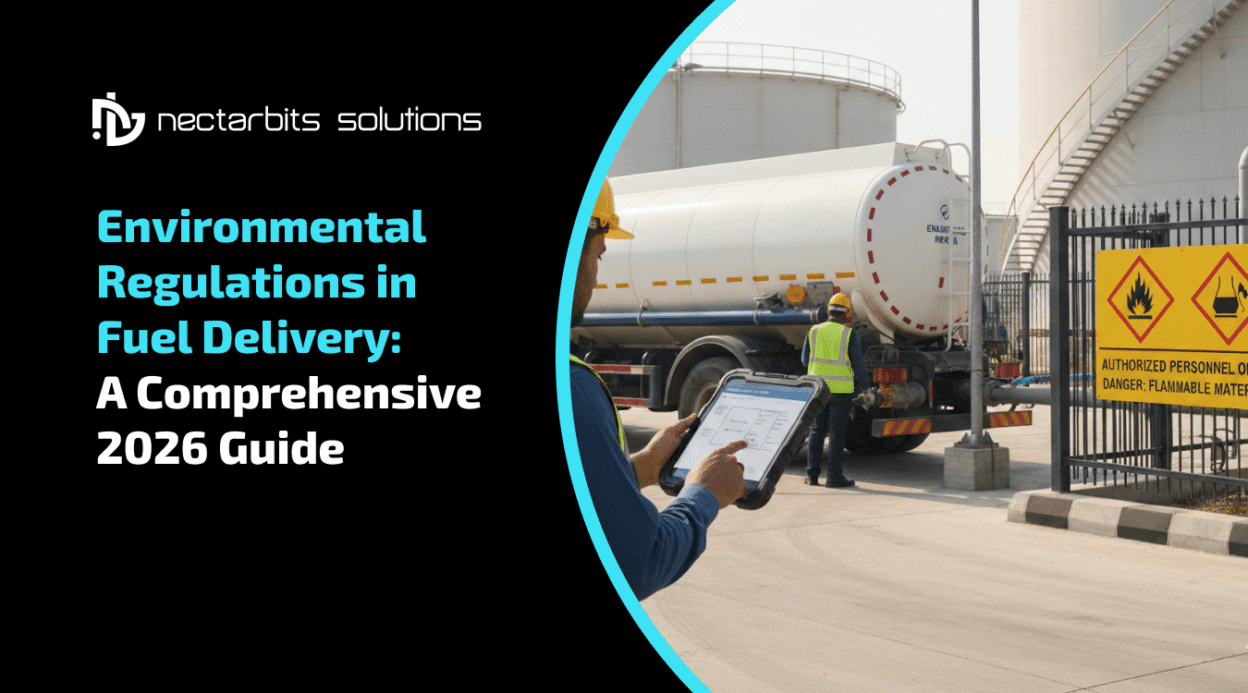
The fuel delivery industry operates within an increasingly complex environmental regulatory framework. As governments prioritize emissions reduction and environmental protection, fuel delivery companies must navigate federal, state, and local requirements while maintaining operational efficiency and profitability. This comprehensive guide explores the key regulations, sustainable practices, and emerging trends shaping the future of fuel delivery operations.

The Environmental Impact of Transportation
Transportation accounts for 28% of total U.S. greenhouse gas emissions, making it the largest contributor to domestic emissions. Within this sector, commercial delivery operations, including fuel distribution, contribute significantly through vehicle operations, fuel transfer activities, and storage facilities. Integrating fuel delivery app development into operations can help companies monitor and optimize routes, reduce idle times, and streamline fuel logistics, thereby mitigating environmental impact while supporting sustainable business practices.
Key Federal Environmental Regulations
Clean Air Act Requirements
The Clean Air Act establishes the foundation for air quality standards affecting fuel delivery operations. Key provisions include:
Vehicle Emission Standards: Heavy-duty trucks and delivery vehicles must meet EPA emission standards. The EPA finalized Phase 3 greenhouse gas emission standards for heavy-duty vehicles beginning with model year 2027, setting progressively stricter limits on emissions.
Vapor Recovery Systems: During fuel transfer operations, volatile organic compounds (VOCs) and other gasoline vapors must be controlled through vapor recovery systems to prevent air pollution.
Ozone Non-Attainment Areas: Companies operating in areas not meeting national air quality standards face additional requirements and restrictions to reduce emissions.
Major Environmental Regulations Timeline
| Year | Regulation | Impact on Fuel Delivery |
| 2014 | EPA Tier 3 Vehicle & Fuel Standards | Reduced sulfur content in gasoline to 10 ppm |
| 2015 | EPA Underground Storage Tank Regulations | Enhanced leak detection and spill prevention requirements |
| 2024 | EPA Phase 3 Heavy-Duty Vehicle Standards (Finalized) | Stricter emission limits for delivery trucks starting MY 2027 |
| 2025 | Texas Stage I Vapor Recovery (Bexar County) | Mandatory installation for high-volume dispensers |
| 2025 | Rhode Island Stage II Decommissioning Approved | Removal of pump-side vapor recovery systems |
| 2026-2027 | Renewable Fuel Standard Volumes (Proposed) | Minimum renewable fuel blending requirements |
Stage I and Stage II Vapor Recovery
Stage I Vapor Recovery controls emissions during fuel delivery to storage tanks. When tanker trucks fill underground storage tanks at gas stations, vapors are returned to the delivery truck rather than released into the atmosphere. This system is required in most ozone non-attainment areas and locations with air quality concerns.
Stage II Vapor Recovery historically controlled emissions at vehicle refueling pumps. However, following EPA’s determination that onboard refueling vapor recovery systems have become widespread in the vehicle fleet, many states have been decommissioning Stage II requirements. Rhode Island recently received EPA approval to remove Stage II vapor recovery requirements at gasoline dispensing facilities while maintaining Stage I requirements.
Renewable Fuel Standard (RFS)
The EPA is currently proposing Renewable Fuel Standard volumes for 2026 and 2027, requiring fuel providers to blend minimum volumes of renewable fuels into the petroleum supply. The program uses Renewable Identification Numbers (RINs) to track compliance with biofuel blending requirements.
Clean Water Act Compliance
The Clean Water Act affects fuel delivery through several key requirements:
Spill Prevention, Control, and Countermeasure (SPCC) Plans: Facilities storing oil products above threshold quantities (more than 1,320 gallons in aboveground containers or 42,000 gallons in underground containers) must develop and implement SPCC plans. These plans must be certified by a professional engineer if the total storage capacity exceeds 10,000 gallons.
Underground Storage Tank (UST) Regulations: Strict requirements for installation, operation, monitoring, and closure of underground fuel storage tanks to prevent leaks and contamination.
Stormwater Discharge Permits: Facilities must control contaminated runoff to prevent pollution of waterways and groundwater.
State and Local Regulations
Environmental regulations vary significantly by jurisdiction. Some current examples include:
California: Maintains the most stringent vapor recovery requirements in the nation, continuing to require enhanced vapor recovery systems even as other states decommission them.
Texas: Required facilities in Bexar County dispensing more than 10,000 gallons monthly to install Stage I equipment by January 1, 2025. The state has approved the decommissioning of Stage II systems.
Oregon: Requires Stage II vapor recovery only in the Portland metropolitan area for stations exceeding 600,000 gallons annual throughput.
Spill Prevention and Environmental Protection
Preventing fuel spills is critical for both environmental protection and regulatory compliance. A single gallon of spilled gasoline can contaminate up to 750,000 gallons of groundwater, threatening local ecosystems and public health.
Best Practices for Spill Prevention
Secondary Containment Systems
Install secondary containment structures around all storage tanks, use spill buckets at fill ports to catch overflow during fuel deliveries, implement containment sumps for dispensers and pumps, and apply impermeable barriers in high-risk areas. Leveraging a fuel delivery app solution can help track these containment systems, schedule inspections, and ensure maintenance is performed on time. Regular inspection and maintenance of these systems ensures their effectiveness when needed most.
Equipment Maintenance and Monitoring
All containers should be consistently monitored for signs of significant rusting, pitting, or other evidence of deterioration or damage. Containers should be stored with secondary containment and located on stable ground away from storm sewer inlets and vehicular traffic pathways.
Fuel Transfer Procedures
During fuel transfer, only trained personnel should be authorized to conduct operations, with continuous monitoring for leaks and frequent monitoring of fuel levels to prevent overfilling. It is good practice to have granular absorbent and spill pads near all fuel transfer points.
Spill Response Planning
A well-designed spill response plan should include comprehensive training programs covering spill prevention, response procedures, and proper use of personal protective equipment. Regular scenario-based drills keep response skills sharp and help employees understand their roles during actual incidents.
Key Response Actions
In the event of a fuel spill: protect yourself and co-workers, stop the fuel flow if possible, notify air crew or management immediately, call for help and emergency response services if required, shut down all engines and sources of ignition, and protect the environment by preventing fuel from entering drains.
Documentation and Compliance
Maintain thorough records of all equipment inspections, maintenance activities, and employee training sessions. Document every spill incident, no matter how minor, to track patterns and improve prevention strategies. This documentation serves as protection during regulatory inspections and helps identify areas for improvement.
Fleet Electrification: The Future of Fuel Delivery
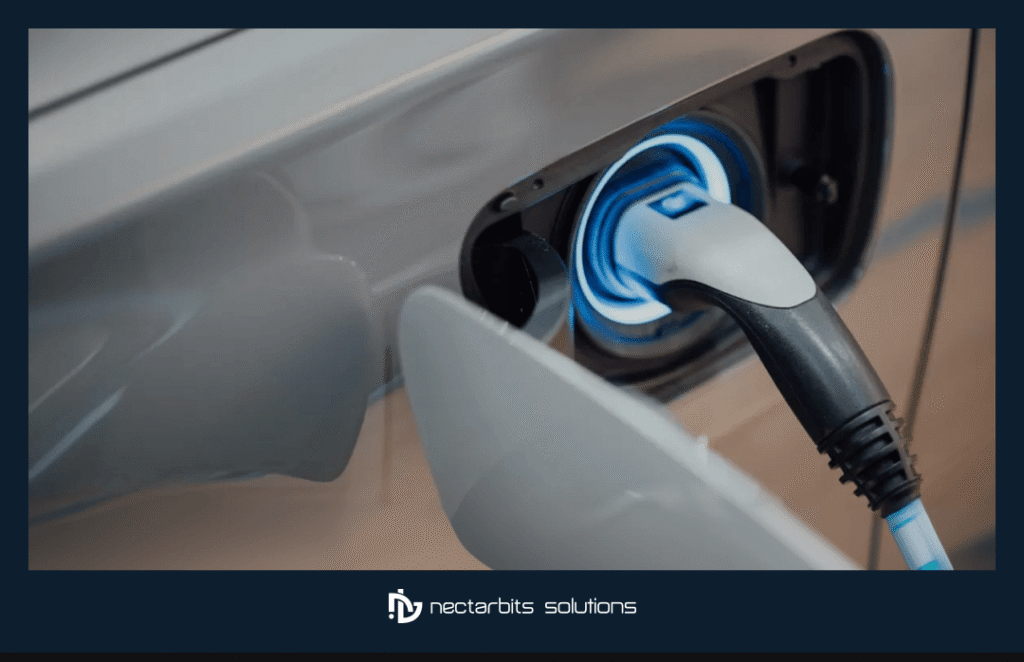
The transition to electric vehicles represents one of the most significant opportunities for fuel delivery companies to reduce environmental impact and operating costs.
Economic Benefits of Electric Fleets
Operating Cost Advantages
Light-duty all-electric vehicle operation and maintenance costs average 6.1 cents per mile, significantly lower than those of conventional vehicles. Electric vehicles achieve their best fuel economy during stop-and-go driving conditions typical of many fleet applications.
Fleet customers whose new EVs traveled over 63,000 miles realized savings of 65% in fuel costs in the first 6 months compared to replaced vehicles. This demonstrates the substantial economic benefit of transitioning to electric delivery fleets.
Total Cost of Ownership
A company with 100 medium-duty vehicles could save an estimated $5,600,000 over 15 years by converting from conventional fuel vehicles to clean vehicle alternatives based on total cost of ownership differences. For light-duty vehicles, a company with 100 light-duty vehicles could save an estimated $1,600,000 over 15 years.
Operational Benefits
Beyond cost savings, electric vehicles offer several operational advantages:
- Lower maintenance costs due to fewer moving parts and no oil changes
- Reduced noise pollution in residential delivery areas
- Predictable charging schedules for depot-based operations
- Stable fuel costs, as electricity prices are less volatile than gasoline/diesel, making it easier to predict expenses over time
To fully leverage these benefits, companies can implement a SaaS based fuel delivery app. Such an app helps fleet managers monitor vehicle performance, optimize delivery routes, track charging schedules, and predict operating costs, all from a centralized digital platform. This integration ensures that the economic and operational advantages of fleet electrification are realized efficiently.
Government Fleet Electrification Mandates
States are implementing aggressive timelines for fleet electrification. Oregon requires state agencies to acquire exclusively zero-emission vehicles for all new light-duty vehicles by 2025. The District of Columbia has set a goal for 100% ZEV procurement starting in 2026.
Connecticut, Illinois, and Hawaii each require state fleets to achieve 100% ZEVs for light-duty vehicles by 2030. Washington, New Jersey, and New York have required that all state agency light-duty vehicles be zero-emission by 2035.
Implementation Considerations
Vehicle Selection: Electric trucks are being deployed across diverse applications, including sanitation, maintenance, hospitality, fuel delivery, and campus operations, highlighting the versatility of electric commercial vehicles.
Charging Infrastructure: Facility charging enables EVs to charge overnight and during idle times. Public direct-current fast-charging stations are increasingly available along major transportation corridors to extend EV range for longer trips. Planning Support: Organizations like the National Renewable Energy Laboratory analyze vehicle telematics and fueling data, as well as electrical requirements, to determine which vehicles can most easily transition to electric vehicles and alternative fuels, what charging or fueling infrastructure is required, and how much the new infrastructure will cost
Alternative Fuel Options
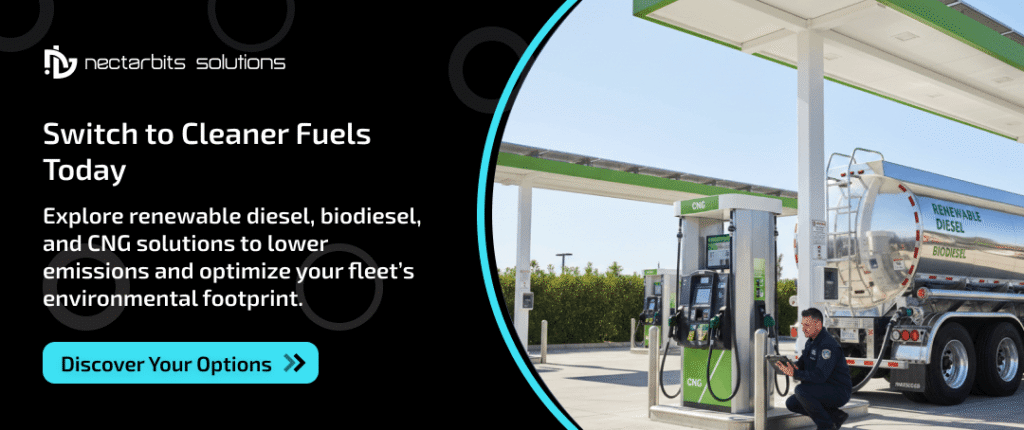
Beyond electrification, several alternative fuel options can help fuel delivery companies reduce environmental impact:
Renewable Diesel
Renewable diesel, also known as HVO (hydrotreated vegetable oil), is fundamentally different from biodiesel because it contains only hydrogen and carbon, making it a hydrocarbon fuel similar to petroleum diesel. It is considered a drop-in replacement, meaning it can be used in modern diesel engines without needing to be blended with petroleum diesel.
Production and Availability
Renewable diesel production grew 28% in the first half of 2024 compared to the same period in 2023, with the Energy Information Administration projecting an increase to 7.2 million gallons per day in 2025. RD now comprises over 70% of the diesel fuel consumed in California.
Performance Benefits
Renewable diesel significantly reduces greenhouse gas emissions while meeting the same specifications as petroleum diesel, with a well-to-wheel differential of 60-90+% in greenhouse gas production. Unlike biodiesel, renewable diesel doesn’t contain oxygen and remains operable at temperatures as low as -34°C.
Feedstock Sources
Renewable diesel can be produced from crop residues, wood and sawdust, animal fats, used cooking oil, vegetable oil, fish fat, and switchgrass, and it qualifies as an advanced biofuel under the EPA’s Renewable Fuel Standard Program.
Biodiesel
Biodiesel represents a renewable alternative derived from natural sources like soybean oil, canola oil, and recycled cooking grease through a production process called transesterification. While biodiesel reduces emissions compared to regular diesel, its different chemical structure requires careful attention to manufacturer-approved blend ratios and may impact cold-weather performance depending on blend levels.
Compressed Natural Gas (CNG)
CNG vehicles offer 25-30% lower emissions than diesel vehicles and can be particularly cost-effective for fleets with centralized fueling infrastructure. However, CNG requires specialized fueling stations and storage tanks.
Carbon Pricing and Market-Based Mechanisms
Global Carbon Pricing Expansion
Carbon pricing has become a significant policy tool worldwide. Carbon pricing now covers around 28% of global emissions and mobilized over $100 billion for public budgets in 2024. Over half of power sector emissions are covered by a carbon price, while coverage levels vary across other sectors.
As of 2025, 80 carbon pricing instruments are in operation across the world, including 43 carbon taxes and 37 emissions trading systems. This represents massive growth from just 10 such instruments 20 years ago.
Price Levels and Trends
The average carbon price for implemented instruments has almost doubled in the past 10 years in real terms—from just above USD 10 per ton in 2015 to around USD 19 per ton in 2025. However, most prices remain below optimal levels. Fewer than 10 percent of current carbon pricing programs have prices high enough to limit temperature rise to well below 2 degrees Celsius, according to analysis from the U.N. High-Level Commission on Carbon Prices.
When planning technology upgrades or digital tools, understanding the fuel delivery app development cost is crucial for companies aiming to integrate carbon tracking, emissions reporting, and efficiency optimization into their operations. Proper budgeting ensures that organizations can adopt solutions that not only improve operational efficiency but also help navigate carbon pricing impacts effectively.
Impact on Fuel Delivery Operations
For fuel delivery companies, carbon pricing creates both costs and opportunities:
Direct Costs: In jurisdictions with carbon pricing, companies pay fees based on their emissions, affecting operational budgets and potentially requiring price adjustments to maintain profitability.
Market Opportunities: Companies that invest in low-carbon operations through fleet electrification, renewable fuels, or route optimization can generate revenue through carbon credit sales in cap-and-trade markets.
Border Adjustments: The European Union’s Carbon Border Adjustment Mechanism puts a price on carbon embedded in goods imported into the European Union, equal to the price in the region’s existing emissions trading scheme, with payments beginning in 2026. The UK plans to implement its own system by 2027.
Operational Best Practices for Environmental Compliance
Route Optimization
Intelligent routing reduces environmental impact by minimizing unnecessary miles and fuel consumption. Modern fleet management systems use real-time traffic data, delivery priority scheduling, and vehicle capacity optimization to reduce emissions through more efficient operations.
Key Benefits:
- 15-20% reduction in miles driven
- Lower fuel consumption and associated emissions
- Reduced vehicle wear and extended fleet life
- Improved delivery efficiency and customer satisfaction
Preventive Maintenance Programs
Regular vehicle and equipment maintenance ensures emission control systems function properly, prevents environmental incidents, and extends equipment life. Predictive maintenance using telematics data can identify potential problems before they cause violations or operational disruptions.
Essential Maintenance Elements:
- Scheduled emission control system inspections
- Regular vapor recovery equipment testing
- Underground storage tank monitoring and leak detection
- Vehicle engine diagnostics and repair
- Equipment calibration and certification
Employee Training and Engagement
Comprehensive training programs should cover proper fuel transfer procedures, spill prevention and response, vapor recovery system operation, and emergency response protocols. Engaging employees in sustainability initiatives through incentive programs and clear communication builds a culture of environmental responsibility.
Training Topics:
- Environmental regulations and compliance requirements
- Safe fuel handling and transfer techniques
- Spill prevention and emergency response procedures
- Equipment operation and maintenance
- Documentation and reporting requirements
Digital Documentation and Monitoring
Transitioning to digital systems for inspections, compliance checklists, and environmental reporting improves accuracy, reduces paper waste, and provides real-time visibility into compliance status. Cloud-based platforms can integrate with regulatory databases for automated reporting.
Technology Solutions:
- Mobile inspection applications
- Automated compliance reporting systems
- Real-time equipment monitoring
- Fleet telematics and GPS tracking
- Environmental performance dashboards
Financial Considerations
Compliance Costs
Environmental compliance requires both upfront capital investment and ongoing operational expenses:
Equipment Upgrades: Vapor recovery systems, leak detection equipment, and emission control technology require significant initial investment but prevent costly violations and environmental damage.
Testing and Monitoring: Regular testing of vapor recovery systems, underground storage tanks, and emission control equipment is mandatory and requires specialized contractors and equipment.
Recordkeeping and Reporting: Compliance reporting requires staff time and may necessitate specialized software systems to track inspections, maintenance, training, and incidents.
Penalties for Non-Compliance
Clean Air Act violations can result in penalties up to $25,000 per day per violation. Fuel spills and water contamination can trigger cleanup costs ranging from hundreds of thousands to millions of dollars, plus civil penalties.
Beyond direct penalties, violations can lead to:
- Increased insurance premiums (35-60% after violations)
- Permit revocation and operational shutdowns
- Legal defense costs ($75,000 – $500,000 per case)
- Reputational damage affecting customer relationships
- Loss of business opportunities with environmentally conscious clients
Emerging Regulatory Trends
Zero-Emission Vehicle Mandates
Several states, led by California, are implementing Advanced Clean Fleets rules requiring commercial vehicle fleets to transition to zero-emission vehicles on specific timelines. California’s Advanced Clean Fleets rule mandates 100% zero-emission vehicles by 2045. These regulations will affect fuel delivery operations in multiple states over the coming decade. Leveraging modern software development architectures in fleet management systems can help companies quickly adapt to evolving regulatory requirements by enabling scalable, flexible, and maintainable digital solutions.
Enhanced Reporting Requirements
Stakeholders increasingly demand transparency regarding environmental performance. Companies may face requirements to:
- Report Scope 1, 2, and 3 greenhouse gas emissions (direct, indirect, and supply chain)
- Provide Environmental, Social, and Governance (ESG) disclosures
- Conduct and publish sustainability assessments
- Undergo third-party environmental audits
Expansion of Carbon Pricing
More jurisdictions are considering or implementing carbon pricing mechanisms, including:
- Direct carbon taxes on emissions
- Cap-and-trade programs with tradable emission allowances
- Low Carbon Fuel Standards that generate credits for using cleaner fuels
- Border carbon adjustments for international trade
Developing a Compliance Program
Assessment Phase
Identify Applicable Regulations: Determine which federal, state, and local regulations apply to your specific operations and locations. This includes researching requirements for each jurisdiction where you operate.
Conduct Gap Analysis: Compare current practices against regulatory requirements to identify areas requiring improvement or investment.
Evaluate Equipment: Assess the condition and compliance status of vehicles, storage tanks, vapor recovery systems, and other equipment to determine upgrade needs.
Implementation Phase
Develop Written Plans: Create SPCC plans, emergency response procedures, and compliance manuals that document your environmental protection strategies.
Upgrade Equipment: Install or upgrade vapor recovery systems, leak detection equipment, and emission control technology to meet current standards.
Establish Procedures: Implement standardized operating procedures for all regulated activities, including fuel transfer, equipment inspection, and incident response.
Train Personnel: Provide comprehensive training to all employees involved in fuel delivery operations, ensuring they understand regulations, procedures, and their responsibilities.
Maintenance Phase
Regular Inspections: Conduct and document routine equipment inspections according to regulatory schedules and manufacturer recommendations.
Preventive Maintenance: Service equipment according to manufacturer and regulatory schedules to prevent failures and violations.
Continuous Monitoring: Track compliance metrics and environmental performance using digital systems and dashboards.
Periodic Audits: Conduct internal compliance audits and address identified issues promptly to maintain regulatory compliance.
Competitive Advantages of Environmental Leadership
While environmental compliance requires investment, it creates strategic advantages:
Market Access
Many large commercial customers require environmental certifications from suppliers. Strong environmental performance opens doors to corporate and government contracts that prioritize sustainability in procurement decisions.
Operational Efficiency
Equipment that meets environmental standards often operates more efficiently, reducing fuel costs and maintenance expenses. Modern emission control technology and electric vehicles can lower total operating costs over their lifecycle.
Risk Management
Proactive compliance prevents costly violations, cleanup expenses, and business disruptions. Companies with strong environmental records face lower insurance premiums and reduced regulatory scrutiny.
Brand Reputation
Environmental responsibility enhances corporate reputation and customer loyalty, particularly as businesses and consumers increasingly prioritize sustainability. This can justify premium pricing and create competitive differentiation.
Staying Current with Regulations
The environmental regulatory landscape continues to evolve. Effective strategies for staying informed include:
Industry Associations: Join fuel delivery and petroleum marketing associations that provide regulatory updates, training, and advocacy representation.
Regulatory Monitoring Services: Subscribe to services that track and summarize relevant regulatory changes at the federal, state, and local levels.
Agency Resources: Regularly check EPA and state environmental agency websites for rule proposals, guidance documents, and enforcement actions.
Professional Consultation: Establish relationships with environmental consultants and legal counsel specializing in fuel delivery regulations to ensure proper interpretation and implementation.
Conclusion
Environmental regulations represent both a compliance obligation and a business opportunity for fuel delivery companies. While the regulatory landscape is complex and continually evolving, companies that proactively embrace environmental responsibility position themselves for long-term success.
Effective compliance requires understanding applicable regulations, implementing robust operational procedures, investing in appropriate technology and equipment, maintaining thorough documentation, and fostering a culture of environmental responsibility among all employees.
The fuel delivery companies that thrive will be those that view environmental regulations not as burdens to minimize but as frameworks for building more efficient, sustainable, and competitive operations. By investing in compliance today, companies protect themselves from future risks while positioning themselves to capitalize on the growing market for environmentally responsible services.
The transition to cleaner operations through fleet electrification, alternative fuels, spill prevention systems, and carbon management positions fuel delivery companies not just for regulatory compliance, but for competitive advantage in an increasingly sustainability-focused marketplace. As regulations continue to tighten and customers demand greater environmental accountability, the investments made today in environmental leadership will determine tomorrow’s industry leaders.
Related Reading
Want to understand the complete safety and compliance picture for fuel delivery operations?
Environmental regulations are just one part of comprehensive fuel delivery compliance. Explore how on-demand fuel delivery platforms managed safety and compliance to discover best practices that integrate environmental responsibility with operational safety, customer trust, and business growth.
FAQs:
1. What are the key environmental regulations affecting fuel delivery operations?
Fuel delivery companies must comply with federal regulations like the Clean Air Act, Clean Water Act, Renewable Fuel Standards, and state/local vapor recovery laws. Compliance includes emission standards, spill prevention, and renewable fuel blending.
2. How does fleet electrification help with regulatory compliance?
Electric and zero-emission vehicles reduce greenhouse gas emissions, help meet state ZEV mandates, lower operational costs, and make it easier to comply with carbon pricing and emissions reporting requirements.
3. What are the best practices for preventing fuel spills?
Implement secondary containment systems, maintain equipment, train personnel, and have a spill response plan with proper documentation. Leveraging a fuel delivery app solution can track maintenance and inspections efficiently.
4. How can technology support environmental compliance in fuel delivery?
SaaS-based platforms and fleet management software enable route optimization, emissions monitoring, digital inspections, predictive maintenance, and real-time reporting to simplify regulatory compliance and reduce environmental impact.