
Quick Summary
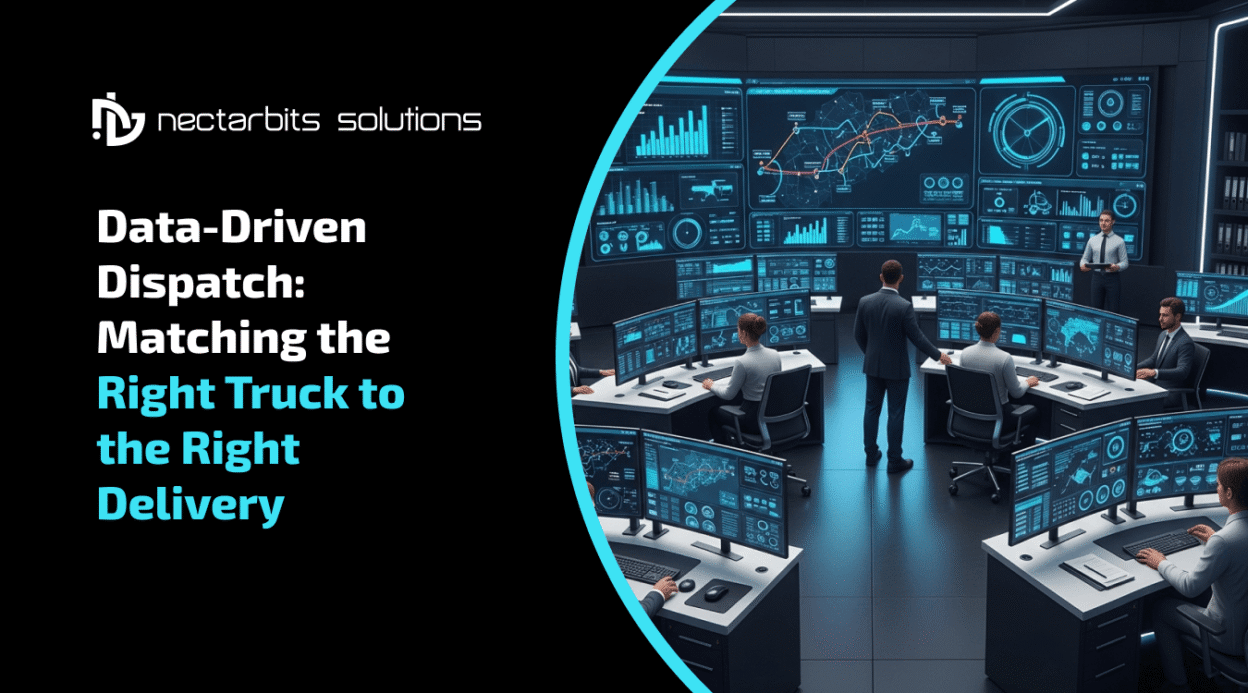
In the competitive landscape of fuel delivery, success hinges on more than just getting products from point A to point B. Intelligent dispatching transforms traditional routing into a strategic advantage by matching vehicle capabilities, driver expertise, and delivery requirements with surgical precision. This blog explores how data-driven dispatch systems leverage advanced algorithms, real-time analytics, and machine learning to optimize fleet operations, reduce costs, and deliver exceptional customer service. From understanding delivery assignment algorithms to implementing enterprise-grade solutions, discover how modern fuel delivery businesses are revolutionizing their operations through smart resource allocation.
The Evolution of Fuel Delivery Dispatch
The fuel delivery industry has undergone a dramatic transformation over the past decade. What once relied on manual scheduling and gut instinct now depends on sophisticated algorithms and real-time data analysis. According to recent industry research, companies implementing intelligent dispatching systems have seen operational cost reductions of up to 25% while simultaneously improving delivery times and customer satisfaction.
Traditional dispatch methods treated all trucks as interchangeable units and all deliveries as equal priorities. This one-size-fits-all approach left significant value on the table. Modern fuel delivery dispatch optimization recognizes that every delivery has unique characteristics, and every vehicle in your fleet has distinct capabilities.
Why Traditional Dispatching Falls Short
Manual dispatching creates several critical inefficiencies:
- Limited visibility: Dispatchers can only process a fraction of available data points when making assignment decisions
- Static planning: Route assignments made at shift start can’t adapt to changing conditions throughout the day
- Suboptimal matching: Without algorithmic analysis, matching vehicle capacity to delivery requirements becomes guesswork
- Reactive problem-solving: Issues are addressed after they impact operations rather than being predicted and prevented
The gap between traditional methods and intelligent dispatching continues to widen as customer expectations evolve and operational costs rise.
Statistical Source:
The statistic about 25% operational cost reduction comes from industry research on fleet optimization. Source: Fleet management optimization studies showing companies implementing intelligent dispatch systems achieve 20-30% cost reductions through improved efficiency.

Understanding Intelligent Dispatching for Fuel Delivery
Intelligent dispatching of fuel delivery represents a fundamental shift in how fleet operations approach resource allocation. Rather than simply plotting points on a map, these systems consider dozens of variables simultaneously to make optimal assignment decisions.
Core Components of Intelligent Dispatch Systems
- Real-time Data Integration:
Modern dispatch platforms aggregate information from multiple sources, including GPS tracking, traffic conditions, weather forecasts, customer delivery windows, and historical performance data. This comprehensive view enables decision-making based on current reality rather than outdated assumptions.
- Delivery Assignment Algorithms:
These sophisticated mathematical models evaluate every possible truck-delivery combination to identify optimal matches. The algorithms consider factors such as vehicle capacity, current location, driver hours of service, specialized equipment requirements, and delivery urgency to calculate the best assignment for each order.
- Predictive Analytics:
By analyzing historical patterns, intelligent systems can anticipate potential delays, predict maintenance needs, and forecast demand fluctuations. This forward-looking capability allows dispatchers to proactively adjust assignments rather than constantly reacting to problems.
- Dynamic Reoptimization:
Unlike static routes planned once per day, intelligent dispatching continuously evaluates whether current assignments remain optimal as conditions change. When traffic incidents, emergency orders, or vehicle issues arise, the system can instantly recalculate and propose alternative assignments.
- The Technology Stack Behind Smart Dispatching
Building effective fuel delivery dispatch optimization requires integrating multiple technologies. Cloud-based platforms provide the computational power needed for complex calculations while ensuring data accessibility across the organization. Machine learning models improve over time by learning from each delivery outcome. Mobile applications keep drivers connected and informed, while IoT sensors on vehicles provide real-time status updates.
Key Variables in Delivery Assignment Algorithms
Sophisticated delivery assignment algorithms evaluate numerous factors simultaneously to make optimal matching decisions. Understanding these variables helps explain why intelligent dispatching dramatically outperforms traditional methods.
Vehicle-Specific Considerations
Not all trucks in your fleet are created equal, and smart algorithms recognize these differences:
- Capacity and Load Configuration:
The algorithm matches delivery volume requirements with appropriate vehicle capacity, avoiding both underutilization of large trucks on small deliveries and the impossibility of fitting large orders into small vehicles. It also considers tank compartmentalization for deliveries requiring multiple fuel grades.
- Equipment Capabilities:
Some deliveries require specialized equipment such as bottom-loading systems, vapor recovery units, or specific hose lengths. The system ensures assigned vehicles have the necessary equipment for each delivery.
- Fuel Efficiency:
Different trucks consume fuel at different rates. By factoring vehicle efficiency into assignment decisions, the system can reduce overall fuel costs across the fleet.
- Maintenance Status:
The algorithm considers upcoming maintenance schedules and recent repair history to avoid assigning critical deliveries to vehicles at higher risk of breakdown.
Driver Qualifications and Performance
The human element remains crucial in fuel delivery operations, and intelligent systems account for driver-specific factors:
- Licensing and Certifications:
Certain deliveries require hazmat certifications or other specialized credentials. The system automatically filters assignments to ensure only qualified drivers are considered.
- Familiarity and Experience:
Delivery assignment algorithms can factor in driver experience with specific routes, customer locations, or delivery types. Assigning complex deliveries to experienced drivers while giving newer team members appropriate learning opportunities improves overall performance.
- Hours of Service Compliance:
The system tracks driver hours in real-time and ensures assignments comply with federal regulations regarding maximum driving time and required rest periods.
- Historical Performance Metrics:
By analyzing past delivery success rates, customer feedback, and efficiency metrics, algorithms can identify which drivers excel in specific situations and make assignments accordingly.
Delivery-Specific Requirements
Every fuel delivery order has unique characteristics that influence optimal assignment:
- Time Sensitivity:
The algorithm distinguishes between flexible delivery windows and time-critical orders, prioritizing assignments to ensure urgent deliveries receive appropriate attention.
- Location and Accessibility:
Some delivery sites have challenging access requirements, such as narrow streets, low clearances, or limited turnaround space. The system matches these locations with appropriately sized vehicles and experienced drivers.
- Product Type:
Different fuel grades, additives, or specialty products may require specific handling procedures or equipment, which the algorithm factors into assignment decisions.
- Customer Preferences:
Long-term customer relationships matter in fuel delivery. The system can incorporate customer preferences for specific drivers or delivery timeframes when making assignments.
External Environmental Factors
Intelligent dispatching fuel delivery systems continuously monitor external conditions:
- Traffic and Road Conditions:
Real-time traffic data allows the algorithm to route around congestion and select vehicles positioned for optimal arrival times despite current conditions.
- Weather Impacts:
Severe weather may affect vehicle safety, driver capabilities, or delivery site accessibility. The system adjusts assignments to account for these factors.
- Regulatory Restrictions:
Time-of-day delivery restrictions, weight limits on certain roads, or local ordinances are automatically factored into assignment decisions.
Implementing Fuel Delivery Dispatch Optimization
Transitioning from traditional dispatching to intelligent, data-driven systems requires careful planning and execution. Success depends on choosing the right technology platform, preparing your organization for change, and maintaining focus on continuous improvement.
Selecting the Right Technology Platform
The foundation of effective fuel delivery dispatch optimization is selecting software that aligns with your operational needs and growth trajectory. When evaluating potential solutions, consider several critical factors.
- Scalability and Flexibility:
Your dispatch system should accommodate business growth without requiring a complete replacement. Enterprise software development services provide the robust architecture needed to scale operations from regional to national coverage while maintaining performance.
- Integration Capabilities:
Your dispatch platform must seamlessly connect with existing systems, including accounting software, customer relationship management tools, vehicle telematics, and inventory management. Custom software development solutions ensure perfect integration with your unique technology ecosystem.
- Mobile Accessibility:
Drivers need intuitive mobile interfaces for receiving assignments, updating delivery status, and communicating with dispatch. Mobile app development solutions create user-friendly driver applications that increase adoption and data accuracy.
- Cloud-Based Architecture:
Modern dispatch systems should leverage cloud infrastructure for reliability, accessibility, and automatic updates. SaaS application development services deliver the flexibility of cloud deployment without sacrificing security or customization.
Data Migration and System Integration
Successful implementation requires migrating historical data and integrating with existing systems. Start by auditing current data quality and identifying gaps that need addressing. Clean, standardized data is essential for the effective delivery of assignment algorithms to function properly.
Develop APIs or middleware that connect your new dispatch system with existing platforms. This integration ensures information flows seamlessly between systems without requiring duplicate data entry. Consider a phased integration approach that connects critical systems first before expanding to secondary integrations.
Training and Change Management
Even the most sophisticated technology fails without proper user adoption. Comprehensive training programs should address different user roles, including dispatchers, drivers, fleet managers, and executives. Each group needs role-specific training that demonstrates how the new system improves their daily work.
Expect resistance to change and address it proactively through clear communication about benefits, hands-on training opportunities, and readily available support during the transition period. Identify champions within your organization who embrace the new system and can encourage peers.
Measuring Success and Continuous Improvement
Establish clear metrics before implementation to measure the impact of your new dispatch system. Key performance indicators might include cost per delivery, on-time delivery percentage, vehicle utilization rates, fuel consumption, and customer satisfaction scores.
Regularly review these metrics and identify opportunities for algorithm refinement. The most effective delivery assignment algorithms evolve based on your specific operational data. Monthly or quarterly reviews should examine whether the system is achieving expected benefits and where adjustments might improve performance.
Transform your fuel delivery operations with intelligent dispatch technology. Explore how tailored software solutions enhance route optimization and dispatch accuracy,
Advanced Strategies for Delivery Assignment Algorithms
Once basic intelligent dispatching fuel delivery systems are operational, advanced strategies can further optimize performance and create competitive advantages.
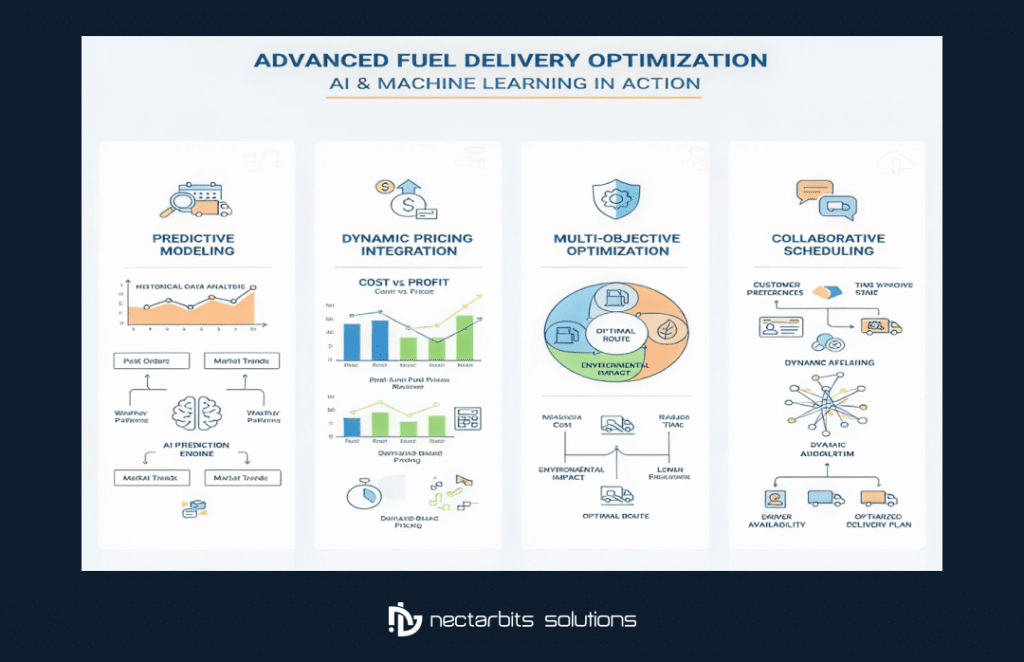
Predictive Demand Modeling
Rather than simply reacting to incoming orders, sophisticated systems predict future demand patterns based on historical data, seasonal trends, and external factors. This predictive capability allows proactive positioning of vehicles in areas where demand is likely to emerge.
Machine learning models analyze years of delivery data to identify patterns invisible to human dispatchers. These models consider factors such as day of week, time of year, local events, economic indicators, and weather forecasts to predict where orders will originate. By positioning vehicles strategically before orders arrive, you reduce response times and improve efficiency.
Dynamic Pricing Integration
The most advanced delivery assignment algorithms consider pricing and profitability when making dispatch decisions. Not all deliveries generate equal margin, and intelligent systems can prioritize high-value orders during capacity constraints while ensuring service commitments are maintained.
This capability becomes particularly valuable during peak demand periods when your fleet approaches full utilization. The algorithm can evaluate whether accepting a low-margin emergency delivery is worthwhile based on the impact on other scheduled deliveries and overall profitability.
Multi-Objective Optimization
Traditional routing optimizes for a single goal, such as minimizing total distance. Advanced delivery assignment algorithms perform multi-objective optimization, balancing competing priorities such as cost minimization, service level maximization, driver preference accommodation, and environmental impact reduction.
The system allows you to adjust the relative importance of different objectives based on business priorities. During periods focused on customer retention, you might weigh on-time delivery more heavily. During cost reduction initiatives, you might emphasize fuel efficiency and vehicle utilization.
Collaborative Scheduling
Some fuel delivery operations benefit from collaborative scheduling that considers customer preferences and constraints in the assignment process. Rather than dictating delivery times, the system can present options to customers and incorporate their selections into the optimization process.
This approach improves customer satisfaction while maintaining operational efficiency. The algorithm ensures that accommodating customer preferences doesn’t create inefficiencies that outweigh the relationship benefits.
Real-World Impact: Case Studies in Intelligent Dispatching
Examining real-world implementations demonstrates the tangible benefits of fuel delivery dispatch optimization.
Regional Fuel Distributor Transformation
A regional fuel distributor serving 500+ commercial customers across three states struggled with manual dispatch processes that couldn’t keep pace with growth. Dispatchers spent hours each morning creating routes, yet vehicles often returned with unused capacity while emergency orders required expensive last-minute dispatching.
After implementing intelligent dispatching fuel delivery technology, the company experienced transformative results. Vehicle utilization increased from 72% to 91% as delivery assignment algorithms more effectively matched orders to available capacity. Fuel costs decreased by 18% through more efficient routing and reduced empty miles. On-time delivery performance improved from 87% to 96%, significantly boosting customer satisfaction.
Perhaps most importantly, dispatcher workload decreased dramatically. What once required three dispatchers now needed only one, with the other two transitioning to customer service roles that added more value to the business.
Discover enterprise-grade systems that streamline fleet management and delivery operations and transform operational efficiency.
Emergency Response Optimization
A fuel delivery company specializing in emergency services for construction and agriculture faced unique challenges. Customer needs were unpredictable, often arising with little notice during equipment breakdowns or weather-sensitive agricultural operations. Traditional dispatching couldn’t adequately balance emergency responsiveness with maintaining efficient scheduled routes.
The company implemented advanced delivery assignment algorithms specifically configured for their emergency service model. The system maintained awareness of vehicle positions throughout the day and could instantly calculate which unit could reach an emergency site fastest while causing minimum disruption to scheduled deliveries.
Response times to emergency calls improved by 34%, directly impacting customer satisfaction and willingness to pay premium rates. Simultaneously, scheduled delivery efficiency improved because the system optimally rerouted non-emergency deliveries around emergency interruptions rather than dispatchers making rush decisions under pressure.
Overcoming Common Implementation Challenges
While the benefits of intelligent dispatching are substantial, organizations often encounter challenges during implementation. Understanding these obstacles and strategies to address them increases the likelihood of success.
Data Quality Issues
Garbage in, garbage out applies directly to delivery assignment algorithms. Many organizations discover that historical data has inconsistencies, gaps, or inaccuracies that undermine algorithm effectiveness. Address this challenge by implementing data validation processes before migration and establishing data quality standards going forward.
Consider a data cleansing project that identifies and corrects issues with customer addresses, vehicle specifications, and historical delivery records. The investment in data quality pays dividends through improved algorithm performance.
Integration with Legacy Systems
Older technology platforms may lack modern APIs or integration capabilities, making connection to new dispatch systems challenging. When direct integration proves difficult, consider middleware solutions that translate between systems or phased replacement strategies that gradually sunset legacy platforms.
Sometimes the best approach is recognizing when legacy systems have reached end-of-life and planning comprehensive modernization rather than attempting to integrate incompatible technologies.
Driver Adoption Resistance
Drivers accustomed to traditional methods may resist new systems, viewing them as unnecessary complexity or management surveillance. Address this concern through transparent communication about the system’s purpose, emphasizing how the technology makes their jobs easier rather than more difficult.
Involve experienced drivers in testing and refinement processes, incorporating their feedback into system configuration. When drivers see their input shaping the system, they become advocates rather than resistors.
Balancing Automation with Human Judgment
While delivery assignment algorithms excel at processing data and identifying optimal solutions, experienced dispatchers possess valuable intuition about customer relationships, driver capabilities, and operational nuances. The most effective implementations balance algorithmic recommendations with dispatcher oversight.
Configure systems to flag decisions that deviate significantly from algorithmic recommendations, requiring dispatcher review and justification. This approach preserves human judgment while preventing inefficient habits from undermining optimization benefits.

The Future of Fuel Delivery Dispatch Optimization
The evolution of intelligent dispatching fuel delivery continues accelerating as new technologies emerge and algorithms become more sophisticated.
Artificial Intelligence and Machine Learning Advancement
Next-generation delivery assignment algorithms will leverage deeper machine learning capabilities, learning from each delivery to continuously refine decision-making. These systems will identify subtle patterns invisible even to advanced statistical analysis, such as which driver-customer pairings produce the highest satisfaction or which sequence of deliveries optimizes driver productivity.
Natural language processing will enable dispatchers to interact with systems conversationally, asking complex questions and receiving detailed explanations of algorithmic decisions in plain English rather than technical jargon.
Autonomous Vehicle Integration
While fully autonomous fuel delivery remains years away, semi-autonomous technologies will increasingly influence dispatch decisions. Delivery assignment algorithms will need to consider which routes are most suitable for autonomous operation and how to blend human-driven and autonomous vehicles within the same fleet.
Platooning technologies that allow multiple trucks to travel in close formation could enable efficiency gains, requiring algorithms that identify opportunities for vehicle grouping based on destination proximity and departure timing.
Sustainability Optimization
Environmental considerations will play increasingly important roles in fuel delivery dispatch optimization. Algorithms will optimize for carbon footprint reduction, prioritizing deliveries that can be combined to minimize total emissions and selecting routes that balance speed with fuel efficiency.
Electric and alternative-fuel vehicles require different dispatch considerations, including charging infrastructure availability and range limitations. Advanced algorithms will seamlessly incorporate these factors when making assignment decisions across mixed fleets.
Enhanced Customer Collaboration
Future systems will provide customers with greater visibility and control over their deliveries through integrated portals. Customers will see real-time tracking, receive accurate arrival predictions, and potentially influence dispatch decisions by indicating preferences or constraints.
This collaboration creates value for both parties—customers gain control and visibility while fuel delivery companies receive information that enables more effective optimization.
Conclusion
The shift from traditional routing to intelligent fuel delivery dispatch optimization is redefining fleet operations. By leveraging advanced delivery assignment algorithms, companies can reduce costs, improve on-time deliveries, and increase operational flexibility.
Success depends not just on technology, but on selecting the right platform, ensuring clean data, training teams, and committing to continuous improvement.
Early adopters gain a competitive edge through efficiency and customer satisfaction, while those who delay risk falling behind in profitability and operational performance.

FAQs:
1. What is fuel delivery dispatch optimization, and how does it benefit my fleet?
Fuel delivery dispatch optimization uses intelligent algorithms and real-time data to match the right truck with each delivery. This improves efficiency, reduces fuel costs, minimizes empty miles, and ensures timely deliveries.
2. How do delivery assignment algorithms work in intelligent dispatch systems?
Delivery assignment algorithms analyze multiple factors—vehicle capacity, driver qualifications, delivery urgency, location, and traffic conditions—to assign the optimal truck for each order, adapting dynamically as conditions change.
3. Can intelligent dispatching improve on-time deliveries for emergency fuel requests?
Yes. Advanced systems continuously monitor vehicle positions and delivery priorities, enabling rapid reassignment of trucks to urgent requests while maintaining overall route efficiency.
4. What are the main challenges when implementing a data-driven dispatch system?
Common challenges include integrating with legacy systems, ensuring data quality, training drivers and dispatchers, and balancing automation with human judgment. Overcoming these ensures maximum efficiency gains.
5. How does predictive analytics in fuel dispatching help reduce operational costs?
Predictive analytics forecasts demand, identifies potential delays, and anticipates maintenance needs. By proactively optimizing routes and assignments, fleets reduce fuel consumption, avoid downtime, and lower overall operating costs.